Picture this: you set down your dog’s bowl, fully confident in the high-quality kibble you spent twenty minutes researching. Your dog walks over, sniffs it, looks up at you with what can only be described as disappointment, and walks away.
Sound familiar?
That moment — the dramatic sniff-and-reject — is exactly where dog food toppers come in. But toppers aren’t just a trick for picky eaters. Done right, they can genuinely improve your dog’s nutrition, hydration, digestion, and relationship with mealtime. Done wrong, they can quietly undo the balance of an otherwise great diet.
This guide covers everything: what toppers actually are, the best types available, how to choose one that fits your dog’s specific needs, how much to use, and some ridiculously easy homemade options that take less than five minutes to make.
Quick Summary
- What they are: Additions placed on top of your dog’s regular food to boost flavor, nutrition, or palatability
- Best for: Picky eaters, senior dogs, dogs with low appetite, adding hydration or nutrition
- Types: Broths, wet food, freeze-dried raw, eggs, vegetables, yogurt, fish oil, and more
- Key rule: Toppers should not exceed 10% of your dog’s daily calorie intake
- Avoid: Onion, garlic, xylitol, grapes, raisins, and anything with excessive salt
What Are Dog Food Toppers?
A dog food topper is anything you add on top of — or mixed into — your dog’s regular meal to make it more appealing, more nutritious, or both. That’s it. There’s no official definition or strict category. A drizzle of bone broth is a topper. A spoonful of canned sardines is a topper. A few pieces of cooked chicken are a topper.
Toppers exist on a spectrum from the ultra-simple (a splash of warm water over dry kibble) to the carefully formulated (commercially produced freeze-dried raw blends designed to complement specific life stages). Most dog owners use them somewhere in the middle — whatever works, whatever their dog responds to, whatever fits their budget and lifestyle.
The key distinction that matters: a topper is a supplement to a complete diet, not a replacement for it. If you’re feeding a quality complete-and-balanced dog food, a topper should enhance that meal — not tip the nutritional balance over.
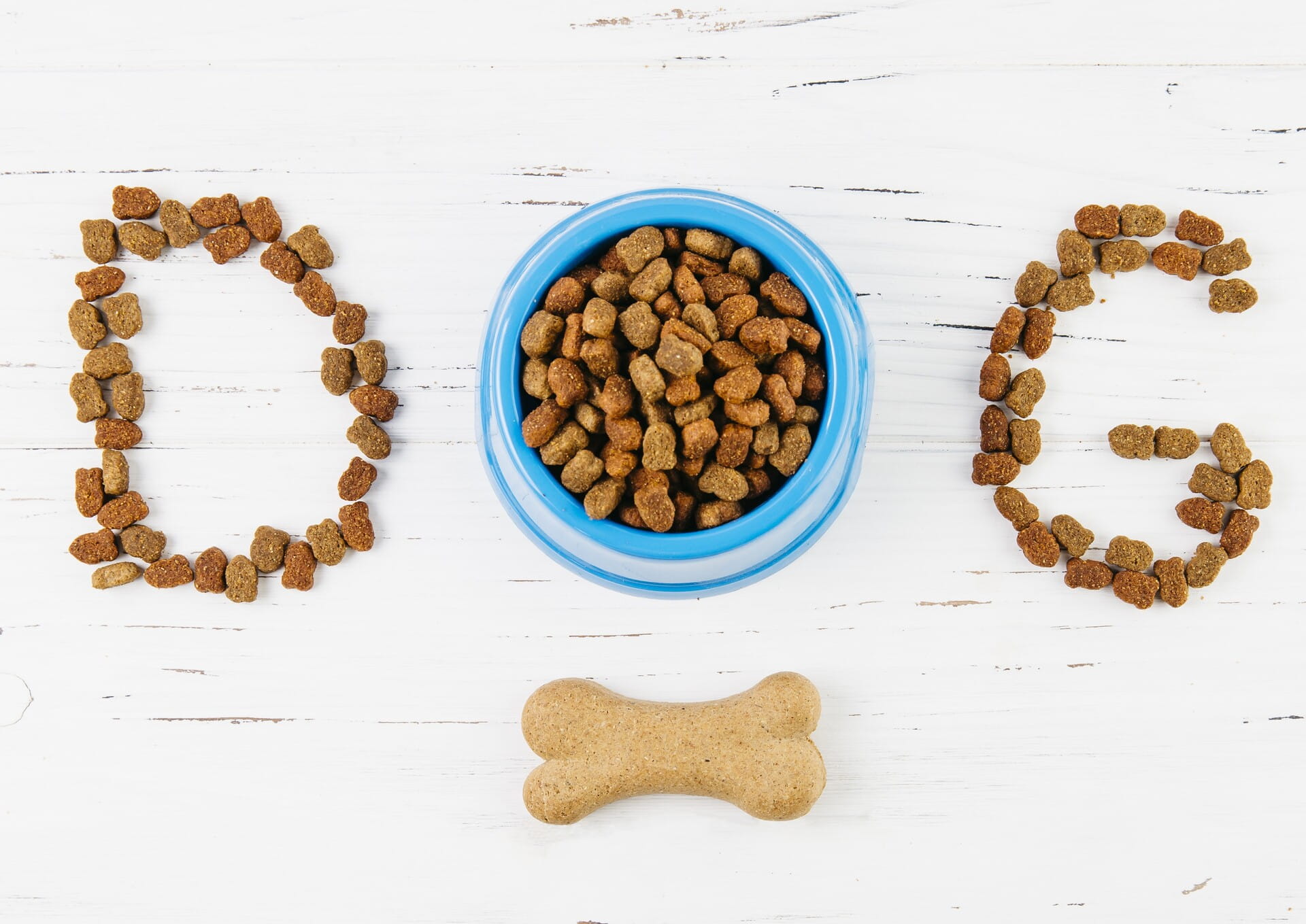
Why Do People Use Dog Food Toppers?
Ask ten dog owners why they use toppers and you’ll get ten different answers. But most of them fall into a handful of categories:
The Picky Eater Problem
Some dogs are genuinely fussy — they go off their food without warning, refuse to eat unless something smells interesting enough, or will only eat enthusiastically if there’s something “special” on top. Toppers solve this problem elegantly. A small amount of a high-value food on top of kibble can make an unexciting bowl suddenly irresistible.
Encouraging Hydration
Dogs on dry kibble diets get very little moisture from their food — kibble is typically only 8–10% water, while a dog’s natural prey diet would be 60–70% water. Wet toppers (bone broth, canned food, raw food) dramatically increase the moisture content of a meal. This matters especially for dogs prone to urinary issues, kidney problems, or those who simply don’t drink enough water on their own.
Supporting Specific Health Needs
A dog recovering from illness may have a reduced appetite — a topper makes food more appealing when they need to eat most. A senior dog with arthritis might benefit from a fish oil topper for its anti-inflammatory omega-3s. A dog with a dull coat might perk up with regular egg or sardine additions. Toppers give you a flexible, food-first way to address specific needs without automatically reaching for supplements.
Adding Real Food to a Processed Diet
Many owners feel uneasy feeding only ultra-processed kibble for every single meal, every single day, for years on end. Topping kibble with real, whole-food ingredients — an egg, some plain yogurt, cooked salmon — is a practical middle ground between full raw feeding and pure commercial kibble. It’s not a perfect solution to every nutritional concern, but it does add variety, fresh nutrients, and a sense of feeding your dog something genuinely real.
Transitioning Foods
If you need to switch your dog to a new food but they’re refusing it, mixing a familiar topper into the new food can ease the transition by masking the unfamiliar smell and taste while their palate adjusts.
Pure Enjoyment
Sometimes there’s no health reason at all. You just want mealtime to be the best part of your dog’s day — and a warm broth topper on a cold morning or a yogurt drizzle in summer does exactly that.
Types of Dog Food Toppers
The world of dog food toppers is enormous. Here are the main categories, with honest notes on what each does well and where to watch out:
1. Bone Broth
Bone broth is probably the single most popular dog food topper on the market right now — and for good reason. It’s made by slow-simmering animal bones (chicken, beef, turkey, fish) for 12–24 hours, which draws out collagen, gelatin, amino acids, and minerals.
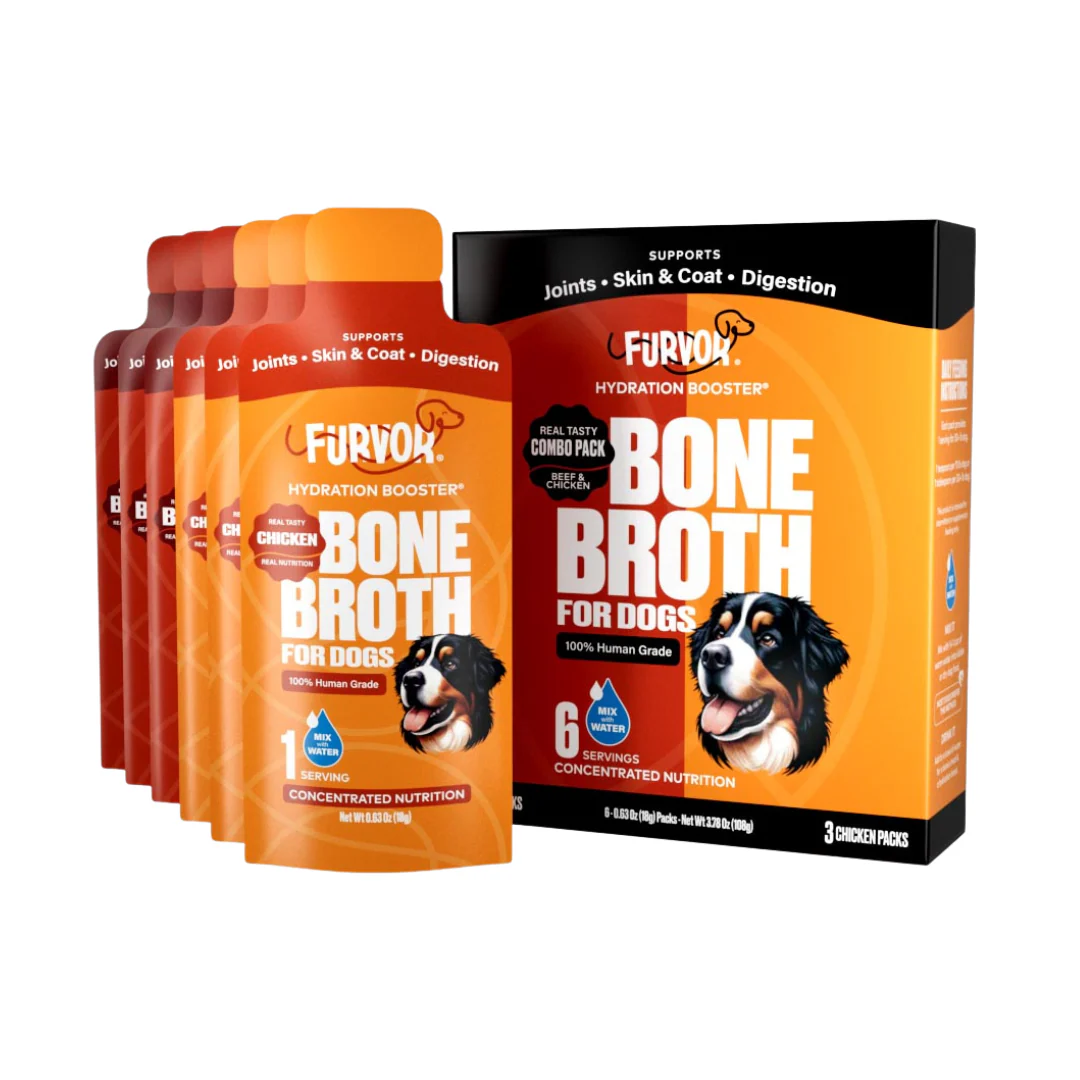
Benefits:
- Dramatically increases palatability — even the fussiest dogs tend to love it
- Adds significant moisture to dry kibble
- Gelatin from collagen supports joint health and gut lining integrity
- Glycine and proline support liver function and digestive health
- Easy to pour, store, and serve
What to watch for: Most commercial broths made for humans contain onion and garlic — both toxic to dogs. Always use broth made specifically for dogs, or make your own (see the DIY section below). Also check sodium content; many human broths are very high in salt.
Best for: Picky eaters, senior dogs, dogs with joint issues, post-illness appetite recovery, adding hydration.
2. Wet Dog Food / Canned Food
Spooning a small amount of wet canned food over dry kibble is probably the oldest and most common dog food topper strategy. It works because wet food is more aromatic and flavorful than dry kibble, and the extra moisture makes the whole meal more palatable.
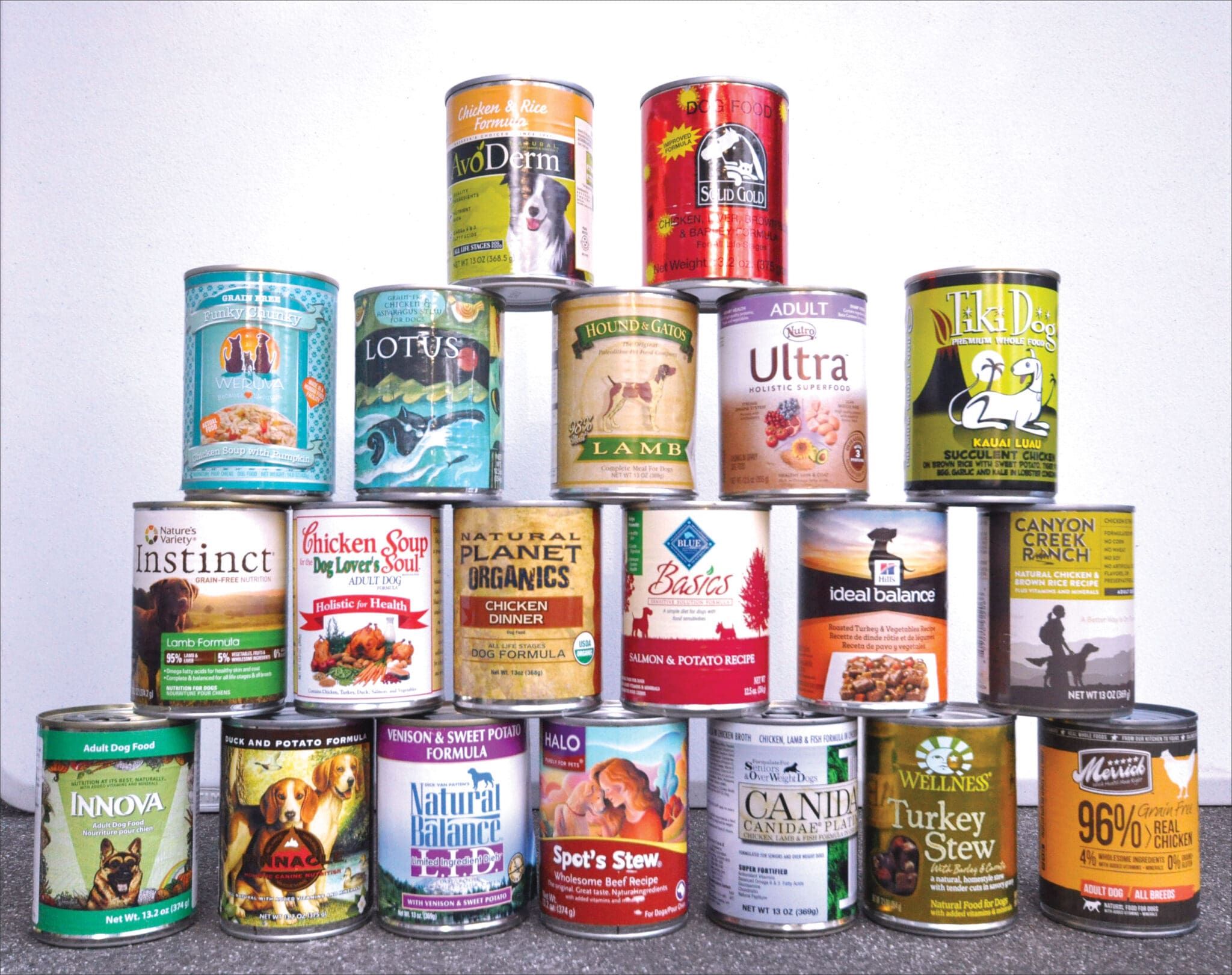
Benefits:
- Widely available, affordable, and easy to use
- High moisture content (typically 75–82% water)
- High palatability — very few dogs refuse wet food
- Nutritionally complete options available (though you don’t need a complete food as a topper)
What to watch for: If you’re using wet food as a topper to a complete kibble, the overall calorie intake can creep up quickly. A 5.5 oz can of wet food can be 150–200 calories — significant when you’re only trying to add a tablespoon or two. Use just enough to coat the kibble, not a full serving.
Best for: Everyday palatability boost, picky eaters, senior dogs with reduced appetite.
3. Freeze-Dried Raw Toppers
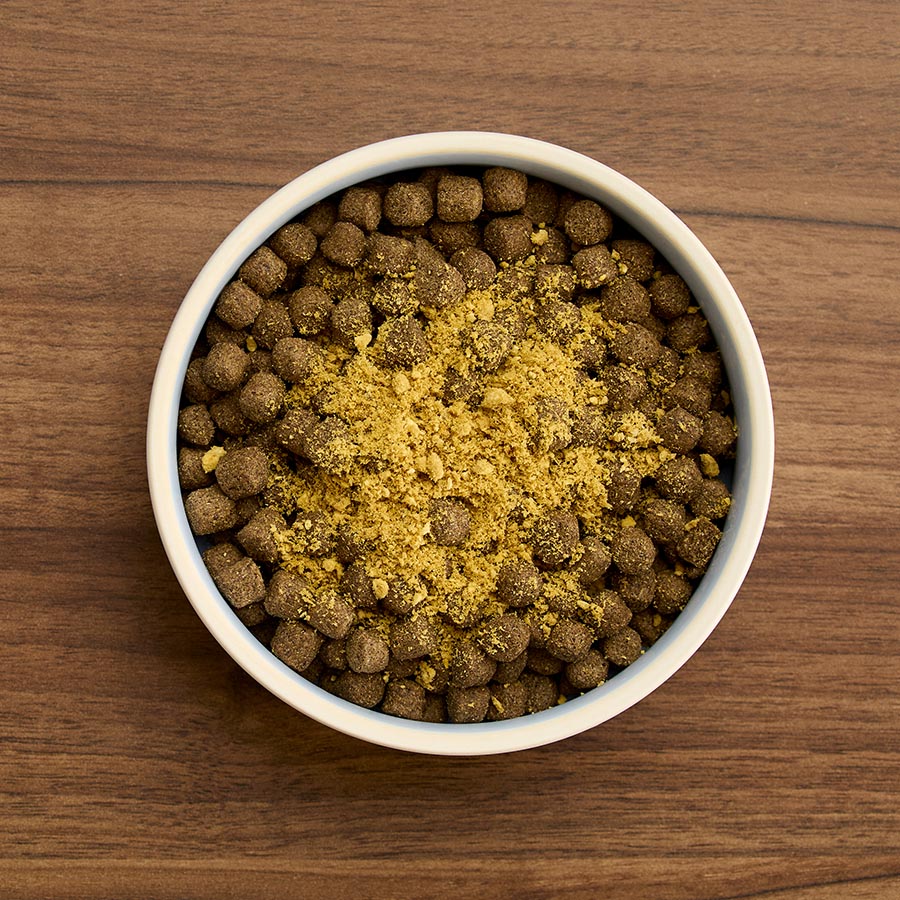
Freeze-dried raw toppers are one of the fastest-growing segments of the pet food market. They’re made by taking raw meat, organs, and sometimes vegetables, then freeze-drying them to remove moisture while preserving nutrients and flavor.
Benefits:
- Incredibly palatable — most dogs go wild for them
- Nutrient-dense: retains much of the nutritional profile of raw food
- No refrigeration needed until opened
- Easy to crumble and mix into kibble
- Many formulas available: chicken, beef, turkey, salmon, venison, and more
What to watch for: These are typically the most expensive topper option. Also, if your dog has a sensitive stomach or has never eaten raw food, introduce slowly — the change in protein source and fat content can temporarily cause loose stools. Always source from reputable brands that test for pathogens.
Best for: Dogs who need maximum palatability, owners interested in raw feeding who want a convenient entry point.
4. Eggs
Eggs are one of the cheapest, most nutritious, most available dog food toppers on the planet. A single large egg contains approximately 6g of high-quality protein, healthy fats, vitamins A, D, E, B12, riboflavin, folate, iron, and selenium. Nutritionally, eggs are exceptional.
Benefits:
- Outstanding protein quality (eggs have the highest biological value of any whole food protein)
- Rich in biotin — excellent for skin and coat health
- Affordable and available everywhere
- Most dogs love the taste
- Versatile: scrambled, poached, hard-boiled, or lightly raw (yolk only)
What to watch for: Raw egg whites contain avidin — a protein that blocks biotin absorption. If you feed raw eggs regularly, either feed only the yolk raw or lightly cook the whites. Cooked whole eggs are completely fine. One egg per day is appropriate for most medium to large dogs; smaller dogs should have half.
Best for: Coat health, lean protein boost, budget-conscious owners.
5. Sardines and Oily Fish
Sardines in water (not oil, not brine) are one of the most nutrient-dense toppers you can add to a dog’s bowl. They’re rich in omega-3 fatty acids (EPA and DHA), vitamin D, vitamin B12, and calcium (from the soft bones). And virtually every dog loves them.
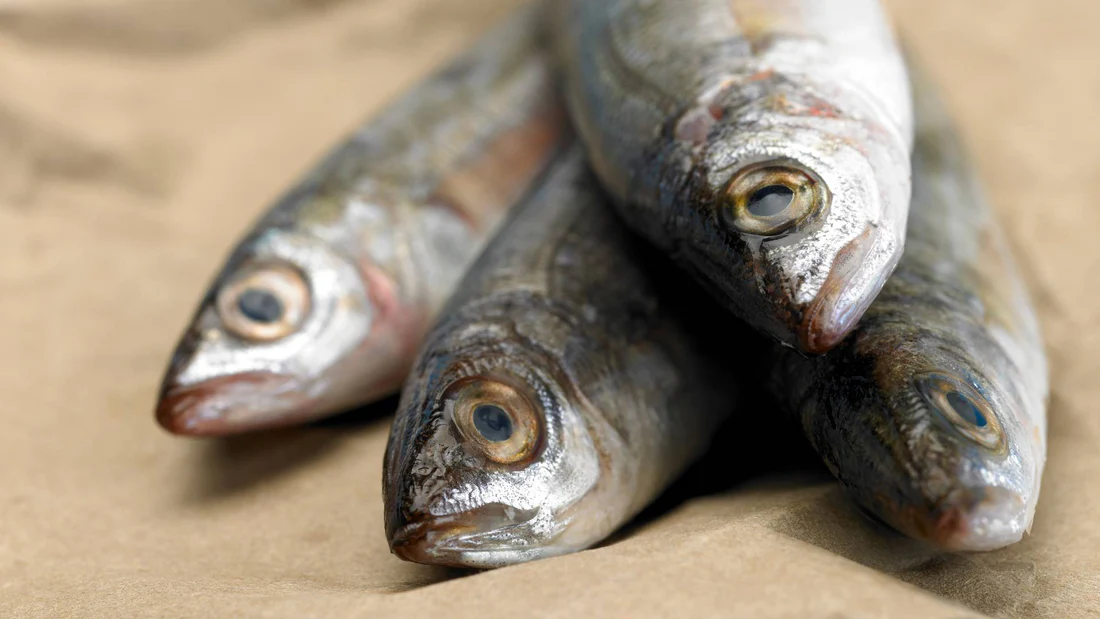
Benefits:
- EPA and DHA support skin and coat health, reduce inflammation, support cognitive function
- Vitamin D — often under-represented in commercial dog foods
- Calcium from soft bones
- High palatability
- Small fish = low mercury levels (unlike larger fish like tuna)
What to watch for: Use sardines in spring water only — avoid those in oil (too much fat) or brine (too much sodium). One or two sardines 2–3 times per week is appropriate for most medium dogs. Daily use is fine for small amounts but watch total calorie intake.
Best for: Skin and coat issues, anti-inflammatory support, dogs who need extra palatability.
6. Plain Yogurt or Kefir
Plain, unsweetened yogurt and kefir are both excellent probiotic toppers that support gut health. Kefir — a fermented milk drink — actually contains a broader range of probiotic strains than yogurt and may be better tolerated by lactose-sensitive dogs because the fermentation process reduces lactose content.
Benefits:
- Live probiotic cultures support a healthy gut microbiome
- Protein and calcium from dairy
- Soothing for digestive upset in some dogs
- Most dogs enjoy the creamy texture
What to watch for: Only plain, unsweetened, unflavored options — never yogurt with artificial sweeteners, which may contain xylitol (toxic to dogs). Some dogs are lactose intolerant; start with a small amount and watch for gas, bloating, or loose stools. Greek yogurt has less lactose than regular yogurt.
Best for: Gut health support, dogs on antibiotics, adding probiotic diversity.
7. Pumpkin Puree
Plain canned pumpkin (not pumpkin pie filling — very different thing) is a classic digestive support topper. It’s high in soluble fiber and water content, and is one of the most reliably recommended foods by veterinarians for both constipation and mild diarrhea.
Benefits:
- Soluble fiber regulates bowel movements in both directions
- High water content adds hydration
- Low calorie
- Mild, appealing flavor for most dogs
- Rich in beta-carotene and potassium
What to watch for: Must be plain canned pumpkin — not pumpkin pie filling, which contains sugar, spices, and sometimes xylitol. 1–4 tablespoons per day depending on dog size.
Best for: Digestive regulation, dogs with occasional loose stools or constipation, weight management (low calorie bulk).
8. Cooked Lean Meat
Plain cooked chicken, turkey, beef, or pork (no seasoning, no onion, no garlic) is a universally loved, high-protein dog food that works as a palatability booster, recovery food, and general treat. It’s the first thing most vets recommend when a sick dog won’t eat.
Benefits:
- High digestibility
- Virtually every dog will eat it
- Easy to cook in bulk and refrigerate for the week
- Lean options (chicken breast, turkey) add protein without excessive fat
What to watch for: Always cook thoroughly — raw poultry carries salmonella and campylobacter risk for both dogs and their human handlers. Avoid any seasoning, sauces, or cooking oils. Plain boiled or baked is best. Don’t use processed deli meats — they’re high in salt and preservatives.
Best for: Sick dogs with reduced appetite, post-surgery recovery, picky eaters, training reinforcement.
9. Dog-Safe Vegetables
Certain vegetables make excellent low-calorie, high-fiber toppers. The best options: cooked sweet potato, plain carrots (raw or cooked), green beans (plain), zucchini, broccoli (small amounts), and cooked peas.
Benefits:
- Low calorie — great for overweight dogs who need bulk without calories
- High fiber supports digestion
- Antioxidants from colorful vegetables
- Adds variety to the diet
What to watch for: Avoid onion, garlic, leeks, chives — all toxic to dogs. Avoid raw cruciferous vegetables in large quantities (they can cause gas). Avoid corn on the cob. Stick to plain preparation: no butter, no salt, no seasoning.
Best for: Weight management, adding fiber, dogs who enjoy crunchy textures.
10. Fish Oil
Fish oil isn’t technically a topper in the traditional sense, but it’s the most widely used dietary addition for dogs in the supplement category. A few drops or a small pump over dry kibble delivers a concentrated dose of EPA and DHA omega-3 fatty acids.
Benefits:
- EPA and DHA reduce systemic inflammation
- Significant improvement in skin dryness, coat shine, and shedding in many dogs
- Supports cognitive function in senior dogs
- May support heart health and kidney function
What to watch for: Dose matters — too much fish oil can cause diarrhea, vitamin E depletion, and in large amounts, immune suppression. Follow the product’s dosing guide based on your dog’s weight. Store properly — fish oil oxidizes quickly and goes rancid if left in heat or light.
Best for: Skin and coat issues, senior dogs, dogs with joint inflammation, dogs on kibble-only diets.
How to Choose the Right Dog Food Topper
With so many options, the right topper depends on why you’re adding one in the first place. Here’s a decision-making framework:
| Your Goal | Best Topper Options |
|---|---|
| My dog won’t eat their food | Bone broth, freeze-dried raw, wet food, cooked chicken |
| My dog needs more hydration | Bone broth, wet food, pumpkin puree, raw food |
| Improve skin and coat | Sardines, fish oil, eggs |
| Digestive support | Pumpkin puree, plain yogurt, kefir |
| Joint support | Bone broth (collagen), fish oil (omega-3s) |
| Weight management | Pumpkin puree, green beans, plain vegetables |
| Senior dog appetite support | Warm bone broth, wet food, scrambled egg |
| Adding real food to a kibble diet | Sardines, eggs, freeze-dried raw, cooked meat |
| Budget-conscious topper | Eggs, plain canned pumpkin, cooked vegetables, DIY broth |
How Much Topper Should You Actually Add?
This is where a lot of owners quietly go wrong. They start with a small amount, their dog loves it, and gradually the topper portion keeps creeping up until it’s taking up a significant chunk of the bowl — and with it, disrupting the nutritional balance of the base diet.
The standard guideline: toppers should not exceed 10% of your dog’s total daily calorie intake.
Here’s what that looks like in practice:
| Dog Size | Approximate Daily Calories | Max Topper Calories/Day |
|---|---|---|
| Extra Small (under 10 lbs) | 200–300 kcal | 20–30 kcal |
| Small (10–25 lbs) | 300–500 kcal | 30–50 kcal |
| Medium (25–60 lbs) | 500–900 kcal | 50–90 kcal |
| Large (60–100 lbs) | 900–1,500 kcal | 90–150 kcal |
| Extra Large (100+ lbs) | 1,500–2,500 kcal | 150–250 kcal |
If you’re adding a topper, reduce your dog’s kibble portion slightly to compensate. This prevents gradual weight gain that’s easy to miss week to week but accumulates over months.
Easy Homemade Dog Food Toppers
You don’t need to spend money on commercial toppers. Some of the best options are things you likely already have in your kitchen.
DIY Bone Broth (Batch Recipe)
The simplest way to make bone broth for dogs:
- Place chicken carcass, beef marrow bones, or turkey necks in a large pot or slow cooker
- Cover with water and add a splash of apple cider vinegar (helps draw out minerals from bones)
- Simmer on low for 12–24 hours (slow cooker works perfectly)
- Strain out all bones — including small fragments — thoroughly
- Let cool completely before serving; skim fat if desired
- Store in the fridge for up to 5 days, or freeze in ice cube trays for easy portioning
Do not add onion, garlic, salt, or any seasoning. Serve plain or pop a frozen cube directly on top of kibble and let it melt.
Scrambled Egg Topper
Scramble one egg in a dry non-stick pan (no butter, no oil, no salt). Break into small pieces and spoon over kibble. Takes two minutes. Universally loved.
Sardine and Pumpkin Mix
Mash one sardine (in spring water) with one tablespoon of plain canned pumpkin. Mix into kibble. High palatability, gut-friendly, and nutrient-dense. One of the best budget toppers available.
Kefir Drizzle
Pour a tablespoon or two of plain, unsweetened kefir over kibble and let it soak in slightly before serving. Good for dogs on or after antibiotics, or those with chronic soft stools.
Warm Water Soak
The most underrated topper of all: pour warm (not boiling) water over dry kibble, let it sit for 2–3 minutes to soften slightly. This releases the fat and aroma from the kibble, significantly improving palatability for many dogs — especially seniors with reduced sense of smell. Zero cost. Zero added calories.
Dog Food Toppers to Avoid
Not everything humans eat is safe to add to a dog’s bowl. Some foods that seem harmless are genuinely dangerous, and others are technically safe but problematic in practice:
Always Avoid
- Onion and garlic (in any form — raw, cooked, powder) — destroy red blood cells, causing hemolytic anemia
- Grapes and raisins — can cause sudden kidney failure even in tiny amounts
- Xylitol — an artificial sweetener found in some yogurts, peanut butters, and broths; causes rapid insulin release and liver failure in dogs
- Chocolate — theobromine is toxic to dogs
- Macadamia nuts — toxic to dogs
- Avocado (flesh and especially skin/pit) — persin is toxic to dogs
- Alcohol — including fermented foods like kombucha
- Nutmeg — toxic neurological effects
Use Caution With
- Deli meats and processed human food — typically very high in sodium and preservatives
- Fatty meat scraps — high-fat additions can trigger pancreatitis, especially in predisposed breeds
- Dairy in large amounts — dogs vary in lactose tolerance; start small
- Raw fish other than sardines — some raw fish contain thiaminase enzymes or parasites; sardines are generally considered low risk
- Liver — nutritionally excellent but extremely high in Vitamin A; too much causes Vitamin A toxicity over time
When You Should NOT Use Dog Food Toppers
Toppers are generally safe and beneficial, but there are situations where you should pause before adding anything extra to your dog’s bowl:
- Your dog is on a prescription elimination diet. If your vet has prescribed a strict hypoallergenic diet to identify food allergies, adding any topper — even a seemingly harmless one — can contaminate the results and restart the process. Check with your vet first.
- Your dog has pancreatitis (current or history). High-fat toppers (fatty meat, oil) can trigger or worsen pancreatitis. Stick to very low-fat options like plain pumpkin or broth, and ask your vet before adding anything.
- Your dog is overweight and the topper adds calories you haven’t accounted for. Even healthy toppers have calories. Make sure you’re adjusting kibble portions to compensate.
- Your dog suddenly stops eating even with a topper. A dog who was previously eating well and suddenly refuses food — even with added toppers — should see a vet. Loss of appetite can be a sign of illness, dental pain, or nausea.
- Your dog has kidney disease. High-phosphorus toppers like dairy products and some fish should be used with caution. A vet or veterinary nutritionist should guide dietary additions for dogs with kidney disease.
Frequently Asked Questions About Dog Food Toppers
Are dog food toppers necessary?
No — if your dog is eating a complete and balanced diet and maintaining a healthy weight, toppers are entirely optional. They’re a tool, not a requirement. Use them when they serve a specific purpose: improving palatability, adding hydration, supporting a specific health goal, or simply making mealtime more enjoyable.
Can I use dog food toppers every day?
Yes, for most toppers. Bone broth, a small amount of wet food, pumpkin puree, cooked eggs, and sardines can all be used daily without issue, provided you account for the extra calories. Liver should not be used daily due to its very high Vitamin A content.
Will using a topper make my dog refuse to eat without it?
This is a real concern — and it’s worth being thoughtful about. If you use an extremely high-value topper consistently, some dogs will learn to hold out for it. To avoid this, vary your toppers, occasionally serve the meal without one, and make sure the topper itself isn’t the only reason your dog eats. If your dog consistently refuses food without a topper, investigate the base diet — they may simply dislike it.
What’s the best topper for a picky dog?
Bone broth and freeze-dried raw toppers are consistently the most effective for picky eaters because they dramatically increase the aroma of the meal. Cooked chicken is a reliable fallback for dogs who refuse most things. Warm water over kibble is worth trying before investing in anything — many picky dogs are simply responding to a lack of smell in cold, dry kibble.
Can puppies have dog food toppers?
Yes, with moderation. Plain bone broth, scrambled egg, and cooked chicken are all safe for puppies. Avoid high-fat toppers and always make sure the base puppy food remains the majority of the diet — puppies have specific nutritional requirements that a balanced puppy formula provides. Don’t let toppers skew the nutrient balance of the diet.
Are commercial dog food toppers worth buying?
It depends on the product. Quality freeze-dried raw toppers are genuinely valuable — they provide excellent nutrition and palatability in a convenient form. Mass-market “gravy toppers” made mostly from water, starch, and artificial flavors are less impressive — you can achieve the same palatability effect with real bone broth at a fraction of the cost. Read ingredients carefully and favor products with identifiable, minimal ingredients.
What’s the best topper for a senior dog who’s lost interest in food?
Warm bone broth is often the most effective first step. Senior dogs often have a reduced sense of smell and need stronger aromatic cues to stimulate appetite. Warming the broth before pouring it over food can dramatically improve the scent signal. A small amount of wet food or cooked chicken works well too. If a senior dog’s appetite loss is sudden or significant, see a vet — it can indicate underlying health issues beyond simple pickiness.
The Bottom Line on Dog Food Toppers
Dog food toppers are one of the most practical, flexible tools in a dog owner’s toolkit. At their best, they bridge the gap between a nutritionally adequate diet and a genuinely nourishing, enjoyable mealtime. They cost almost nothing to do well. They take less than a minute to prepare. And most dogs respond to them with a level of enthusiasm that makes you feel genuinely good about dinnertime.
The only thing that matters is using them intentionally — knowing why you’re adding a topper, keeping portions sensible, and making sure whatever you’re adding is actually safe for your specific dog.
Start simple. A tablespoon of bone broth over dry kibble. A scrambled egg on a weekend morning. One sardine mashed into the bowl twice a week. You don’t need to overthink it — and your dog definitely won’t.
Related Guides from The Pet Geek:
This pet care advice is for informational purposes only. Always consult your veterinarian before making significant changes to your dog’s diet, especially if your dog has existing health conditions.