Dogs can eat many fruits safely — including apples, blueberries, watermelon, bananas, and strawberries. When served correctly, fruit provides vitamins, antioxidants, fiber, and hydration without unhealthy additives. This guide covers 15 vet-approved fruits your dog can enjoy, the right portion sizes, and exactly how to prepare each one.
In this article, The Pet Geek focuses entirely on fruits dogs can eat. Toxic fruits for dogs are covered separately in our companion guide.
Quick Answer: What Fruit Can Dogs eat?
Here’s the complete safe fruit list at a glance: Apple, Blueberries, Watermelon, Banana, Strawberry, Mango, Pineapple, Peach, Pear, Raspberry, Cantaloupe, Orange, Cranberry, Kiwi, Blackberry
The 10% Rule: Fruit counts as a treat. Treats should never exceed 10% of your dog’s total daily calorie intake.
15 Fruits Dogs Can Eat (And Actually Love)
1. Apples
Can dogs eat apples? Yes — apples are one of the best fruits for dogs.
Apples are low in calories, high in fiber, and a solid source of Vitamin A and Vitamin C. The natural crunch also helps scrub teeth and freshen breath — a bonus for dogs who resist brushing.
Key nutrients:
- Vitamin C — immune support
- Vitamin A — healthy skin and coat
- Dietary fiber — aids digestion
- Low in fat and sodium
How to serve apples to your dog:
- Wash the apple thoroughly
- Remove the core, stem, and every seed (apple seeds contain cyanogenic glycosides — toxic in quantity)
- Slice into bite-sized pieces
- Serve plain — no cinnamon, no di
Serving size: 1–2 slices for small dogs; 3–4 slices for large dogs.
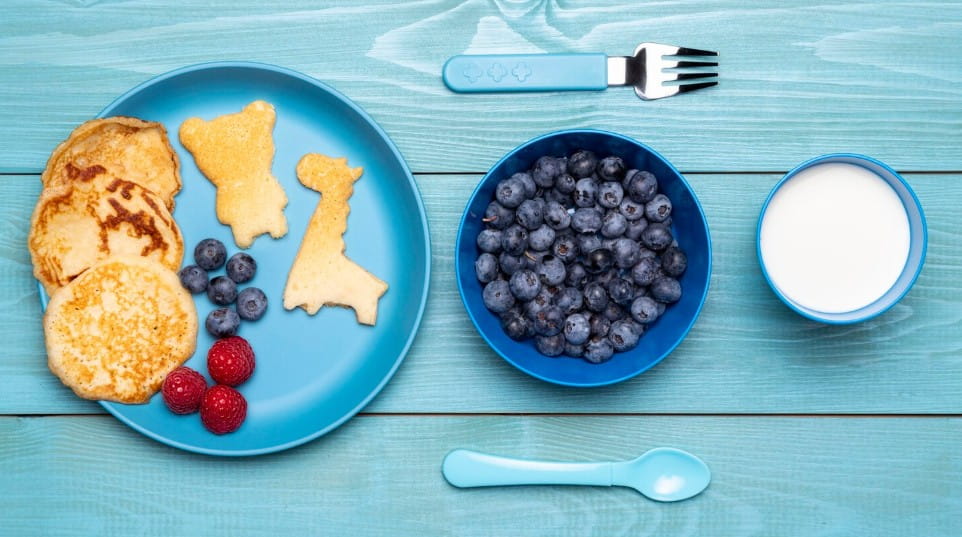
2. Blueberries
Can dogs eat blueberries? Absolutely — they’re a superfood for dogs too.
Blueberries are nutritionally dense and low in calories, making them one of the most popular dog-safe fruits among veterinary nutritionists. They’re loaded with anthocyanins — antioxidants that protect cells from damage and support brain health as dogs age.
Key nutrients:
- Anthocyanins — cell-protecting antioxidants
- Vitamins C and K
- Fiber for gut health
- Phytochemicals that may reduce cancer risk
How to serve blueberries to your dog:
- Wash and serve whole — they’re already the perfect size
- Freeze them for a refreshing summer treat
- Mix into a tablespoon of plain yogurt occasionally
Serving size: 2–3 blueberries for small dogs; up to 10 for larger breeds.
Vet Insight: A 2012 study published in The Journal of Animal Physiology and Animal Nutrition found that dogs fed blueberry-supplemented diets showed improved antioxidant status. Blueberries are widely cited as the #1 recommended fruit treat for dogs.
3. Watermelon
Dogs love it, especially in summer.
Watermelon is 92% water, making it the best hydration snack in the fruit category. It’s low in calories and rich in vitamins A, B6, and C, plus lycopene — an antioxidant linked to heart health.
Key nutrients:
- High water content — excellent hydration on hot days
- Lycopene — antioxidant linked to heart health
- Vitamins A, B6, C
- No fat or cholesterol
How to serve watermelon to your dog:
- Remove all seeds — they can cause intestinal blockage
- Remove the rind — it’s hard to digest and may cause stomach upset
- Cut the red flesh into cubes
- Freeze chunks for a cool, enriching treat
Serving size: A few bite-sized pieces based on dog size. Don’t overdo it — the natural sugar content adds up quickly.
4. Bananas
Bananas are rich in potassium, vitamins B6 and C, biotin, fiber, and copper. They’re low in cholesterol and sodium, making them a heart-healthy occasional snack. However, bananas are higher in sugar than most dog-safe fruits, so they should be offered sparingly.
Key nutrients:
- Potassium — supports heart and kidney function
- Vitamin B6 and C
- Magnesium — promotes bone growth and helps absorb protein
- Natural fiber for digestion
How to serve bananas to your dog:
- Peel completely — the peel is not toxic but hard to digest
- Slice into rounds
- Mash and freeze inside a Kong toy for mental enrichment
- Mix with xylitol-free peanut butter as a special treat
Serving size: Half a banana for large dogs; 2–3 small slices for smaller breeds.
5. Strawberries
Can dogs eat strawberries? Yes — they’re a sweet, low-calorie treat.
Strawberries are full of fiber and Vitamin C. They contain an enzyme called malic acid that acts as a natural teeth whitener. Like all fruit, the natural sugar content means moderation is key.
Key nutrients:
Vitamin C — immune system support
Fiber — aids digestion
Malic acid — natural teeth whitening enzyme
Antioxidants — reduce inflammation
How to serve strawberries to your dog:
- Wash the berries well
- Remove the green leaves and stem
- Halve or quarter them to prevent choking in smaller dogs
- Fresh or frozen work equally well
Serving size: 1–2 strawberries for small dogs; 3–4 for larger breeds.
6. Mango
Can dogs eat mango? Yes — it’s a tropical vitamin powerhouse.
Mango contains vitamins A, B6, C, and E — essentially a multivitamin in fruit form. It also provides potassium and beta-carotene. The sweet flavor makes it a crowd-pleaser with almost every dog.
Key nutrients:
- Vitamins A, B6, C, and E
- Beta-carotene — eye and skin health
- Potassium — heart and muscle function
- Fiber and natural digestive enzymes
How to serve mango to your dog:
- Peel completely — the skin is tough and hard for dogs to digest
- Remove the large central pit (it’s a choking hazard and contains trace cyanide)
- Cut the flesh into small cubes
- Serve fresh or slightly frozen
Serving size: 2–3 small cubes for most dogs. Mango is high in sugar — treat it as an occasional indulgence.
7. Pineapple
Can dogs eat pineapple? Yes — fresh pineapple is safe and nutritionally valuable.
Fresh pineapple contains bromelain, a natural enzyme that helps dogs digest protein more efficiently. It’s also rich in vitamins and minerals. Critical note: Only fresh or plain frozen pineapple. Canned pineapple in syrup contains added sugars that are harmful to dogs.
Key nutrients:
Bromelain — natural digestive enzyme
Vitamin C — immune support
Thiamin (B1) and Riboflavin (B2)
Manganese — supports bone and cartilage health
How to serve pineapple to your dog:
- Remove the spiky outer skin and hard inner core
- Cut the soft flesh into bite-sized chunks
- Fresh is best; plain frozen is fine too
- Never serve canned pineapple in syrup
Serving size: 2–4 small chunks. Due to sugar content, pineapple is a once-in-a-while treat.
8. Peaches
Can dogs eat peaches? Yes — with one non-negotiable preparation step.
Peaches are a good source of Vitamin A and fiber and are thought to have infection-fighting properties. Fresh and frozen peaches are both fine; canned peaches in syrup are not.
Key nutrients:
- Vitamin A — skin, coat, and eye health
- Fiber — supports digestive health
- Antioxidants — reduce inflammation
How to serve peaches to your dog:
- Always remove the pit completely — peach pits are a choking hazard AND contain amygdalin, which metabolizes into cyanide
- Peel the skin if your dog has a sensitive stomach
- Cut the flesh into small pieces
- Never offer canned peaches
Serving size: 2–3 small pieces for most dogs.
9. Pears
Pears are high in copper, vitamins C and K, and fiber. They’re low in calories and have a gentle sweetness most dogs enjoy. As with other tree fruits, the seeds are the only part to avoid.
Key nutrients:
- Vitamins C and K
- Copper — supports red blood cell formation
- Fiber for digestive regularity
- Low in calories
How to serve pears to your dog:
- Wash thoroughly
- Remove the core, stem, and all seeds (contain trace cyanide)
- Cut into bite-sized wedges
- The skin is safe to leave on for most dogs
Serving size: 1–2 wedges for small dogs; up to 4 wedges for larger breeds.
10. Raspberries
Can dogs eat raspberries? Yes — but keep servings intentionally small.
Raspberries have one of the highest antioxidant concentrations of any fruit. They’re particularly beneficial for senior dogs because their anti-inflammatory compounds help ease joint pain. Raspberries contain very small amounts of naturally occurring xylitol, but the levels in a handful are not dangerous.
Key nutrients:
- Antioxidants — among the highest concentration of any fruit
- Anti-inflammatory properties — beneficial for aging dogs with arthritis
- Fiber and Vitamin C
- Low in sugar compared to most fruits
How to serve raspberries to your dog:
- Wash and serve whole
- Frozen raspberries make an excellent cool-weather snack
- Mix a few into plain, unsweetened Greek yogurt occasionally
Serving size: Keep it under 12 raspberries per sitting due to trace xylitol content.
11. Cantaloupe
Can dogs eat cantaloupe? Yes — it’s excellent for hydration and eye health.
Cantaloupe is approximately 90% water, rivaling watermelon as the ultimate hydration fruit. It’s exceptionally rich in beta-carotene, which converts to Vitamin A in the body — a key nutrient for eye health, immune function, and coat quality.
Key nutrients:
- Beta-carotene — converts to Vitamin A for eye and immune health
- High water content — top-tier hydration
- Vitamins B6 and C
- Fiber and potassium
How to serve cantaloupe to your dog:
- Remove the rind completely — it’s tough and hard to digest
- Scoop out all the seeds
- Cut the orange flesh into small, bite-sized pieces
- Serve fresh or lightly chilled
Serving size: A few small cubes based on dog size. Higher in sugar than berries — feed in moderation.
12. Oranges
Can dogs eat oranges? Yes — though not every dog appreciates the citrus scent.
Oranges are one of the highest-Vitamin C fruits available. They also provide potassium and folate. Many dogs are put off by the strong smell, but those who enjoy oranges can have them as an occasional treat.
Key nutrients:
- Vitamin C — one of the highest concentrations in any fruit
- Potassium — heart and kidney function
- Fiber — digestive health
- Natural folate
How to serve oranges to your dog:
- Remove the peel entirely — it contains citrus oils that can cause digestive upset
- Remove all seeds
- Separate into individual segments
- Start with one segment to gauge tolerance
Serving size: 1–2 segments for small dogs; up to 3 segments for large breeds. Moderate sugar content — feed occasionally.
13. Cranberries
Can dogs eat cranberries? Yes — plain cranberries in small amounts are safe and beneficial.
Plain cranberries (fresh or unsweetened dried) may support urinary tract health. Proanthocyanidins — the active compounds in cranberries — are thought to prevent bacteria from adhering to bladder walls, potentially reducing UTI risk.
Important: Only plain cranberries. Cranberry sauce, sweetened juice, and flavored dried cranberries are off-limits.
Key nutrients:
- Proanthocyanidins — urinary tract protection
- Vitamins C and E
- Antioxidants — reduce oxidative stress
- Fiber
How to serve cranberries to your dog:
- Fresh cranberries: offer a small handful as-is
- Unsweetened dried cranberries: only plain, no added sugar — in very small amounts
- Never give cranberry sauce (high sugar, may contain xylitol or grape juice)
Serving size: A small handful of fresh cranberries. Most dogs find the tartness off-putting — mixing into food helps.
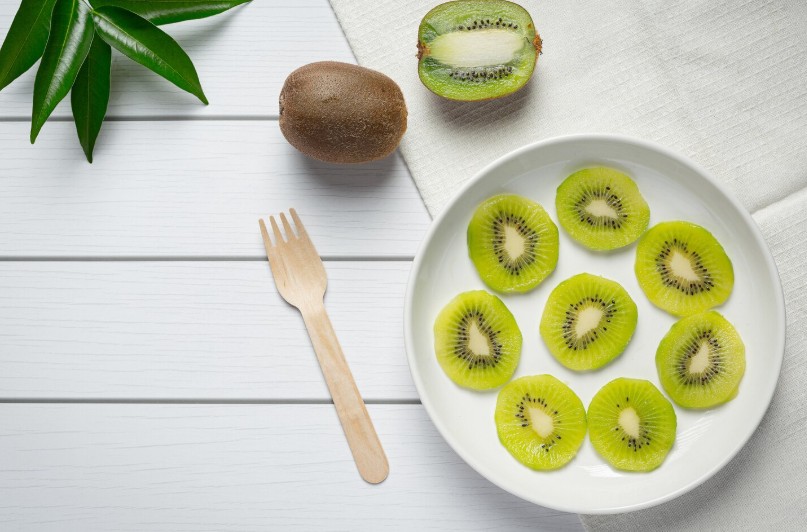
14. Kiwi
Can dogs eat kiwi? Yes — kiwi is a nutrient-dense powerhouse.
Kiwi contains more Vitamin C per 100 grams than an orange, making it one of the most Vitamin C-dense fruits available. It’s also rich in Vitamin K and potassium, and contains actinidin — an enzyme that aids protein digestion.
Key nutrients:
- Vitamin C — exceptional concentration
- Vitamin K — blood clotting and bone health
- Potassium — heart function
- Actinidin — natural protein-digesting enzyme
How to serve kiwi to your dog:
- Remove the skin — it can be a choking hazard for smaller dogs and is difficult to digest
- Cut into thin slices or small cubes
- Seeds are generally harmless but feel free to remove them
Serving size: 1–2 small slices for most dogs.
15. Blackberries
Can dogs eat blackberries? Yes — they’re among the most nutritionally complete fruits for dogs.
Blackberries stand out because they contain omega-3 fatty acids — a rare find in fruit. Combined with vitamins A, C, E, and K, plus anthocyanins and resveratrol, blackberries are an all-around health boost for dogs of any age.
Key nutrients:
- Vitamins A, C, E, and K
- Omega-3 fatty acids — coat and skin health (unusual for a fruit)
- Anthocyanins and resveratrol — powerful anti-inflammatory antioxidants
- Fiber — digestive support
How to serve blackberries to your dog:
- Wash thoroughly
- Serve whole for medium and large dogs
- Halve for small breeds to prevent choking
- Fresh or frozen both work
Serving size: 2–4 blackberries for small dogs; up to 10 for larger breeds.
How Much Fruit Can Dogs Eat? The 10% Rule Explained
The universal guideline: treats — including fruit — should make up no more than 10% of your dog’s daily calorie intake.
Here’s how that translates into practical portions by size:
| Dog Size | Weight | Max Fruit Calories/Day |
|---|---|---|
| Extra Small | Under 10 lbs | 20–30 kcal |
| Small | 10–25 lbs | 30–50 kcal |
| Medium | 25–60 lbs | 50–90 kcal |
| Large | 60–100 lbs | 90–150 kcal |
| Extra Large | 100+ lbs | 150–250 kcal |
For context:
- 1 cup of watermelon cubes ≈ 46 calories
- 1 medium banana ≈ 105 calories
- A handful of blueberries (10 berries) ≈ 8–10 calories
Special cases that need extra caution:
- Diabetic dogs: Limit or eliminate fruit entirely — consult your vet first
- Overweight dogs: Stricter portion control; prioritize low-sugar options like blueberries or raspberries
- Puppies: More sensitive digestion — introduce fruit slowly in tiny amounts
- Senior dogs: Low-sugar, high-antioxidant fruits like blueberries and blackberries are ideal
How to Serve Fruit to Dogs Safely: 5 Golden Rules
Rule 1: Introduce one fruit at a time.
Give a small amount and wait 24–48 hours before offering more. Watch for loose stool, vomiting, gas, or skin reactions. If everything looks normal, continue.
Rule 2: Always remove pits, seeds, and rinds.
A simple rule of thumb: remove anything you wouldn’t eat yourself. Pits and seeds can contain trace cyanide compounds and pose choking risks. Tough rinds (watermelon, cantaloupe) are hard for dogs to digest.
Rule 3: Cut to your dog’s size.
A strawberry half that’s fine for a Labrador is a choking hazard for a Chihuahua. Match piece size to breed size.
Rule 4: Serve plain only.
No sugar, no honey, no chocolate dip, no whipped cream, no fruit salads with unverified ingredients. Dogs don’t need sweetener — fruit is already sweet enough for them.
Rule 5: Fresh or frozen — never canned.
Canned fruits contain added syrups and sugars. Some even contain xylitol, which is toxic to dogs. Always choose fresh or plain frozen fruit.
Nutritional Benefits of Fruit for Dogs
Dogs don’t require fruit — a complete commercial dog food meets their nutritional needs. But as a supplemental treat, fruit delivers real value:
Vitamin C
Dogs produce their own Vitamin C internally, but extra dietary Vitamin C from fruits like oranges, kiwi, and strawberries can support dogs under physical or emotional stress, or those recovering from illness.
Antioxidants
Blueberries, blackberries, cranberries, and raspberries rank among the highest antioxidant foods on the planet. These compounds neutralize free radicals that accelerate cellular aging and contribute to cancer development.
Dietary Fiber
Apples, pears, and bananas provide soluble and insoluble fiber that supports gut motility, feeds beneficial gut bacteria, and promotes regular, healthy bowel movements.
Hydration Support
Watermelon (92% water) and cantaloupe (90% water) are exceptional hydration boosters — valuable during summer heat, after exercise, or for dogs who don’t drink enough water.
Natural Digestive Enzymes
Pineapple’s bromelain and kiwi’s actinidin are proven protein-digesting enzymes. Dogs fed small amounts of pineapple may digest their protein-based food more efficiently.
This pet care advice is for informational purposes only and is not a substitute for professional veterinary advice. Always consult your veterinarian before making significant changes to your dog’s diet, especially if your dog has existing health conditions
Frequently Asked Questions
What is the best fruit for dogs?
Blueberries are widely considered the best fruit for dogs. They’re low in calories and sugar, exceptionally high in antioxidants, require zero preparation, and virtually every dog tolerates them well. Watermelon is a close second for hydration value on hot days.
Can dogs eat fruit every day?
Yes, in small amounts. Stick to the 10% treat rule and rotate different fruits throughout the week to provide varied nutrients without overdoing any single sugar type.
Can puppies eat fruit?
Yes, but start with very small amounts and introduce new fruits one at a time. Puppies have more sensitive digestive systems. Begin with low-acid, low-sugar options like a few blueberries or a small banana slice.
What happens if a dog eats too much fruit?
Overconsumption of fruit typically causes diarrhea, loose stools, vomiting, or stomach upset due to the sugar and fiber content. In diabetic dogs, excess fruit sugar can cause dangerous blood glucose spikes. Keep portions within the 10% guideline.
Can dogs with diabetes eat fruit?
Not without veterinary guidance. If your dog has diabetes, consult your vet before offering any fruit. Very low-sugar options like blueberries or raspberries may be acceptable in tiny amounts at your vet’s discretion.
Is it safe to give dogs dried fruit?
Plain dried fruit (no additives, no xylitol, no added sugar) in very small amounts is generally acceptable for certain fruits. But dried fruit is dramatically higher in sugar per gram than fresh fruit, so portions should be a fraction of what you’d offer fresh.
Do all dogs like fruit?
No. Many dogs love sweet fruits like watermelon and mango, but some avoid citrus (oranges, kiwi) entirely due to the scent. Some dogs show zero interest in any fruit. That’s perfectly fine — fruit is a treat, not a nutritional requirement.
Read more: Why do dogs eat grass?