There’s a very specific kind of panic that kicks in when you see your dog suddenly yelp, jump sideways, and start pawing frantically at their face. Your first thought is never “oh, probably just a bee” — it’s somewhere closer to “what just happened to my dog.” We get it. The good news, most of the time, is that a dog stung by bee is dealing with something uncomfortable, not dangerous, and the worst of it is usually over within an hour or two. The part actually worth slowing down for is knowing the handful of signs that mean this particular sting isn’t one of the ordinary ones.
What a Normal Bee Sting Reaction Actually Looks Like
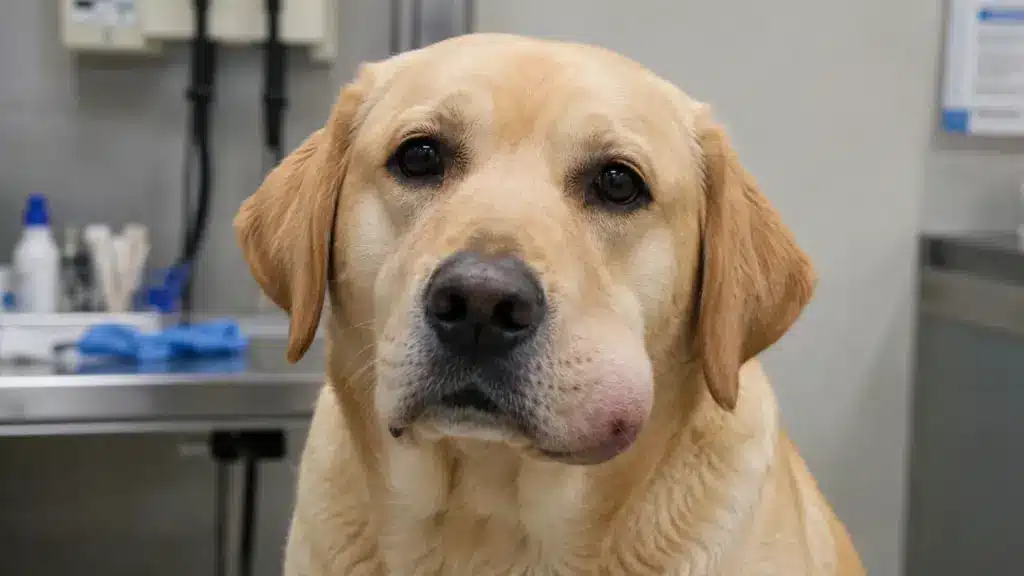
Most dogs get stung somewhere on the face, the muzzle, or a paw, for the simple reason that those are the parts of them most likely to go sniff or snap at something buzzing nearby. What follows is usually unpleasant rather than alarming — some swelling right at the spot, a bit of discomfort, maybe some pawing or rubbing at their own face like they’re trying to figure out what just happened. If a paw took the hit, you might see a little limping for a bit. It’s not fun to watch, and your dog is clearly not thrilled either, but this version tends to start improving on its own within a few hours, long before you’ve had time to really worry about it.
The Reaction That’s Actually Worth Worrying About
A small number of dogs are genuinely allergic to bee venom, the same way some people are, and this is the version where your instinct to worry is the right one. The thing to watch for isn’t how swollen the sting site itself gets — plenty of ordinary reactions look dramatic right at the spot. What actually matters is whether the reaction stays contained to that one area or starts spreading into the rest of the body. Here’s what that looks like:
- Swelling that spreads beyond the sting site, especially around the face, muzzle, or throat
- Difficulty breathing, heavy drooling, or loud, labored breathing
- Vomiting or diarrhea shortly after the sting
- Hives or swelling showing up across the body, not just near the sting
- Weakness, disorientation, pale gums, or collapse
True anaphylaxis like this is rare, but it doesn’t take its time — it can show up within 15 to 30 minutes of the sting. That’s really the whole reason we’d tell you to stick close for that first hour instead of assuming everything’s fine and going back to whatever you were doing.
Read more: Why your dog pooping blood?
What to Actually Do in the First Few Minutes
Once you’ve confirmed your dog is breathing fine and nothing looks dramatically wrong, the next steps are pretty manageable, even with an upset dog in front of you.
- Check for the stinger. If you can see it still sitting in the skin, scrape it out sideways with something flat — a credit card edge, a fingernail — rather than pinching it with tweezers. Squeezing the venom sac tends to push more venom in, not less.
- Grab something cold. A cold compress or an ice pack wrapped in a towel, held gently against the swelling for 10 to 15 minutes, takes the edge off both the swelling and the discomfort.
- Keep things calm. Easier said than done with a dog who’s understandably upset, but less activity means slower blood flow, which means the venom spreads a little less quickly from the sting site.
- Keep an eye on the clock. Not obsessively — just enough to know you’re in that first hour where a serious reaction, if it’s going to happen, would show up.
When This Actually Needs a Vet
A single sting with mild swelling that’s already calming down usually doesn’t need a trip anywhere. Where we’d tell you to stop second-guessing yourself and just call is if you spot any of the serious signs above, if your dog got stung more than once, or if the sting landed in or right around the mouth — that particular spot carries more risk even without a full allergic reaction, simply because there’s so little room for swelling before it starts affecting breathing.
We’re dog owners, not vets, so we’re not going to pretend we know exactly where the line sits for your dog specifically — their breed, their history, their size all factor in more than we can account for from here. If you’re genuinely unsure, a quick call to your vet costs you nothing and settles the question a lot faster than sitting there watching and wondering.

Can You Just Give Benadryl?
Diphenhydramine, the active ingredient in Benadryl, is something vets do sometimes recommend for a mild reaction, and we understand the appeal of having a clear, specific thing to do. But the right dose depends on your dog’s weight and the exact product, and some Benadryl formulations include other ingredients that aren’t safe for dogs at all.
This is one of those moments where a two-minute call to your vet beats guessing at a dose from something you read online — they can tell you a safe amount for your specific dog, or let you know the reaction actually needs to be seen in person instead.
When It’s More Than One Sting
A dog who stumbles into a nest and comes away with several stings at once is in a genuinely different situation than a dog with one sting on the nose. Even without any allergic component at all, a bigger venom load can cause a stronger reaction on its own — more weakness, more vomiting, more obvious pain. This is one of the few times we’d say skip the wait-and-see approach entirely and just get your dog checked out, regardless of how okay they seem in the first few minutes.
Cutting Down the Odds of a Repeat
Some dogs just can’t resist snapping at anything that flies past their face, and those dogs tend to collect more stings over a lifetime than the ones who couldn’t care less about a passing bee. Keeping an eye out for visible nests around the yard, gently discouraging the bug-snapping habit when you catch it starting, and supervising garden time a little more closely during peak bee season all help — not a guarantee, but it moves the odds in your favor.
Frequently Asked Questions
How long does a bee sting last on a dog?
A typical, non-allergic reaction usually peaks within an hour or two and is noticeably better within 24 hours. If the swelling is still getting worse rather than settling down after the first few hours, that’s worth a call to your vet.
Can dogs be allergic to bee stings?
Yes, though it’s uncommon. A dog who’s had a serious reaction to a sting before is more likely to react seriously again, so it’s worth mentioning any past sting history the next time you see your vet.
Is it dangerous if my dog eats a bee?
It can sting on the way down just like a skin sting would, and mouth or throat swelling is more concerning than a sting on the paw simply because of where it’s happening. Watch for drooling, pawing at the mouth, or any trouble swallowing or breathing.
Should I remove the stinger with tweezers?
Scraping it out sideways with a flat edge works better. Pinching it with tweezers can squeeze more venom out of the attached sac and into the skin.
The Bottom Line
Most bee stings are a rough hour or two, not a crisis — some swelling, some drama, and then your dog’s back to normal like nothing happened. We’d just rather you walk in knowing the handful of signs that mean this one is different, so you’re not trying to figure that out for the first time in the moment it actually matters.
We’re dog owners, not vets — this is general information, not a diagnosis. If your dog shows any sign of a serious reaction, don’t wait it out at home; call your vet or an emergency animal hospital right away.
Recommended dog’s health post to read: IVDD in dogs