Bringing your pet home after pet surgery, illness, injury, or a stay at the veterinary clinic is a relief—but the recovery process is only beginning. We learned this firsthand when our Corgi Poopy came home from a routine spay a little groggier and a lot more stubborn about resting than we expected. The first few days at home genuinely shape how smoothly your pet’s recovery goes, more than people usually expect going in.e can make a big difference in how comfortable and secure your pet feels.
This guide walks through how we’d set up a quiet recovery space, manage food and rest, and pace activity back up safely — the same basics that make home again pet recovery less stressful for both of you. We’re dog owners sharing what’s worked for us and what we’ve learned from our own vets, not vets ourselves, so treat this as the groundwork for your vet’s specific instructions, not a replacement for them.
How to Set Up a Safe Recovery Space at Home
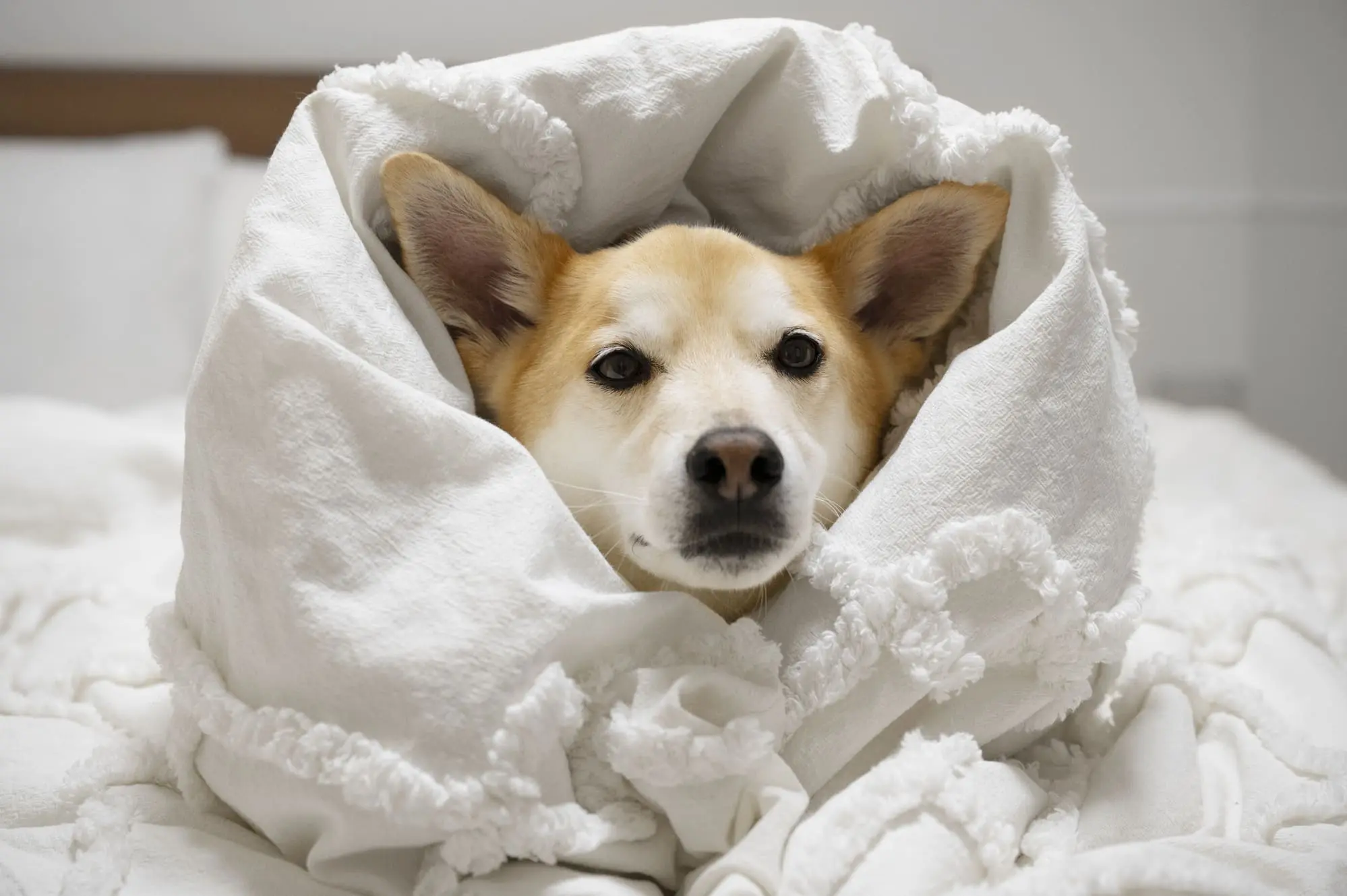
Start by giving your pet one dedicated place to rest. A quiet, comfortable spot does more than you’d think to cut down on stress and unnecessary movement while they heal.
Choose a quiet area
Set up your pet’s recovery space somewhere away from heavy foot traffic, loud noises, and other household activity. If your pet normally sleeps in a busy part of the house, consider temporarily moving their bed to a calmer location.
For dogs and cats recovering from treatment, a low-stimulation environment can make it easier to rest.
Make the space comfortable
Prepare everything your pet may need within easy reach:
- A clean, comfortable bed or blanket
- Fresh water
- Appropriate food
- Any prescribed medication
- Toys or familiar items that help them feel secure
For pets with limited mobility, keeping essentials nearby can reduce the need for unnecessary walking.
Remove common hazards
Home again pet recovery is not the time for your pet to be climbing, jumping, or rushing around the house.
Before bringing your pet home, check the environment for potential hazards such as slippery floors, accessible stairs, furniture they may try to jump onto, unstable objects they could knock over, and tight spaces that could restrict movement. Making these areas safer can help prevent accidents and make it easier for your pet to settle in comfortably.
For dogs, you may need to use baby gates or keep them in a smaller room temporarily. For cats, make sure their recovery area is easy to access without requiring them to jump.
Keep other pets and children from overwhelming them
Your pet may want more rest than usual after coming home. Other animals or excited children can make that difficult.
Give your recovering pet a place where they can rest undisturbed, and supervise interactions until they are ready to return to their normal routine.
The goal is simple: make the recovery area comfortable enough that your pet does not need to move around unnecessarily.
How to Help Your Pet Rest After Coming Home
Rest is one of the most important parts of recovery, and it’s also the part most owners underestimate. Even if your pet seems eager to get back to normal — and my Poopy absolutely tried to convince us she was fine within about six hours — that eagerness usually isn’t a reliable sign they’re actually ready for their usual level of activity.
Let your pet sleep
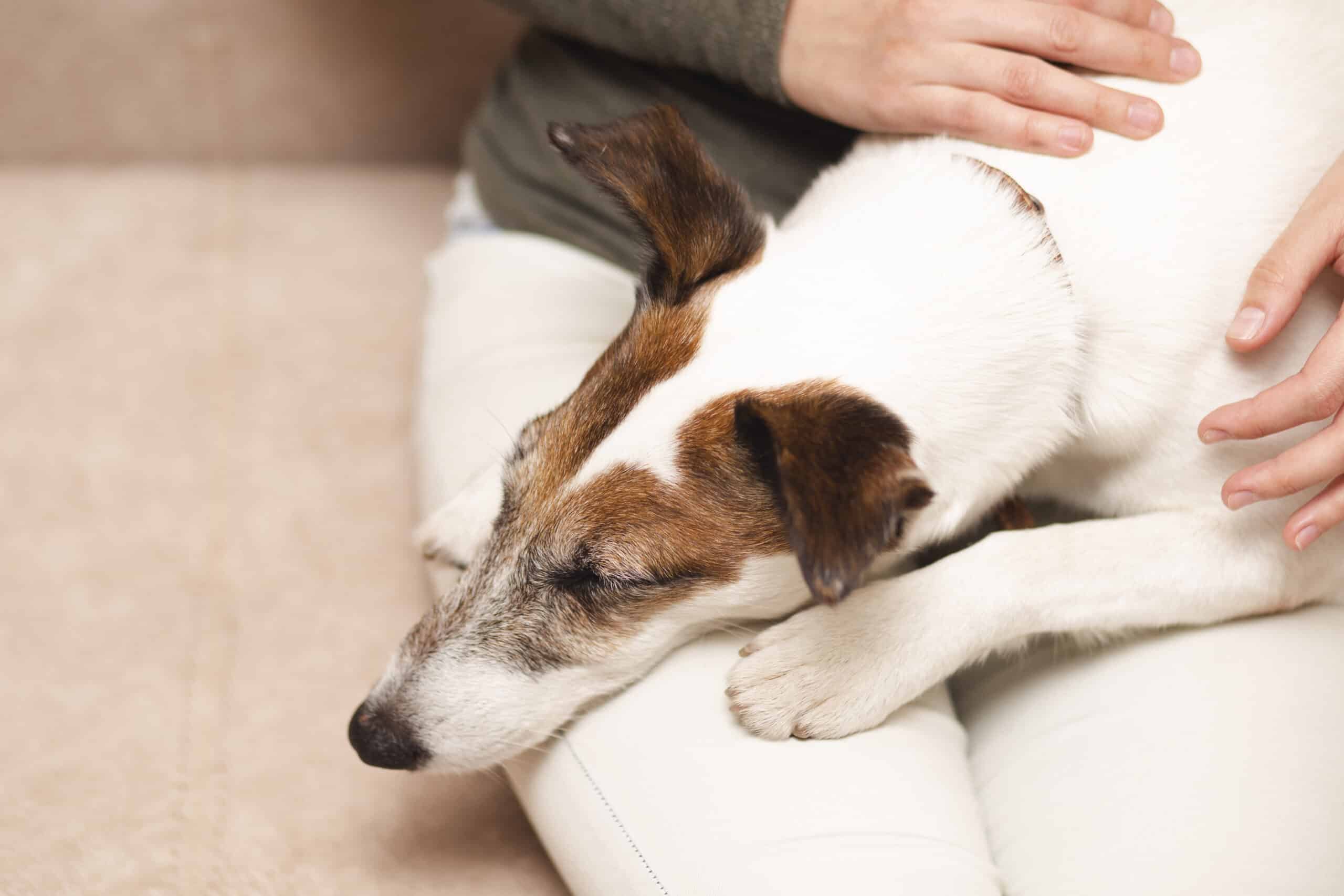
Your pet may sleep more than usual during the first part of recovery. Allow them to rest without repeatedly waking them for attention.
Keep the environment calm, especially during the first few hours after returning home.
Keep their routine predictable
A familiar routine can help your pet feel more secure.
Try to keep regular times for: Meals, Medication, Bathroom breaks, Short, controlled interactions and bedtime
You may need to adjust the routine temporarily based on your veterinarian’s instructions.
Keep excitement under control
Some pets become excited when they see their family after being away. While affection is important, too much excitement can encourage running, jumping, or excessive movement.
Instead of long periods of play or attention, offer short, calm interactions and allow your pet to return to resting.
Give them familiar comforts
Familiar smells and objects can make the recovery environment feel safer. Their usual blanket, bed, or favorite quiet toy may help them settle.
The best approach is to make recovery feel as normal as possible while still following any restrictions provided by your veterinarian.
Don’t force interaction
Some pets want extra attention after returning home. Others prefer to be left alone.
Watch your pet’s body language and let them decide when they want interaction. Quiet companionship can be more helpful than constantly handling or entertaining them.
A comfortable recovery routine should give your pet plenty of opportunities to sleep, while keeping necessary care predictable and calm.
How to Manage Food and Water During Recovery
Changes in appetite can happen after treatment, anesthesia, illness, or stress. Instead of immediately trying to change your pet’s diet, focus on following the feeding instructions provided by your veterinary team.
Offer food according to veterinary instructions
If your veterinarian has provided specific instructions about when or what to feed your pet, follow those instructions first.
Avoid introducing new foods, treats, or supplements simply because your pet seems less interested in their normal meal.
Keep fresh water available
Make clean, fresh water easy for your pet to reach unless your veterinarian has given different instructions.
For a pet with restricted movement, place the water bowl close to their resting area so they do not have to walk far.
Monitor appetite
Don’t just look at whether your pet finishes a bowl. Pay attention to changes over time.
Keep a simple record of your pet’s food and water intake, including how much they eat and drink, whether they show interest in food, and whether they vomit after eating or drinking. Tracking these changes can also help you see whether their appetite is gradually returning.
This information can be useful if you need to update your veterinarian.
Keep meals simple
During recovery, consistency is usually more useful than experimentation.
Unless your veterinarian recommends otherwise, avoid suddenly changing your pet’s regular diet or adding unfamiliar treats. A recovering digestive system may not respond well to unnecessary dietary changes.
Know when reduced appetite needs attention
A temporary change in appetite may occur depending on what your pet has been through. However, persistent refusal to eat, repeated vomiting, or other concerning changes should not be ignored.
If you’re unsure whether your pet’s eating or drinking is appropriate during recovery, contact your veterinarian for guidance.
The key is to monitor food and water intake rather than assuming that every appetite change is part of normal recovery.
How to Manage Activity During Pet Recovery
One of the biggest challenges during home again pet recovery is keeping them from doing too much too soon.
A pet may appear energetic before their body has fully recovered, so activity should be based on their recovery instructions—not simply on how eager they seem to move.
Start with controlled movement
If your veterinarian allows movement, keep it controlled and purposeful.
For dogs, this may mean short leash walks for bathroom breaks rather than normal walks or outdoor play.
For cats, you may need to limit access to furniture, stairs, or areas where they are likely to jump.
Prevent running and jumping
Running, jumping, climbing, and rough play can place unnecessary stress on a recovering pet.
Temporarily block access to:
- Sofas and beds
- Stairs
- High surfaces
- Outdoor areas where your pet may run
- Other pets that may encourage rough play
A smaller recovery area can make these restrictions much easier to manage.
Increase activity gradually
Do not immediately return to your pet’s normal exercise routine just because they seem better.
Recovery should be gradual. Follow the activity timeline provided by your veterinarian and increase movement only when your pet is ready and the restrictions have been lifted.
Use calm activities instead
If your pet becomes bored while resting, look for low-movement ways to provide enrichment.
Depending on their condition and veterinary instructions, this may include:
- Quiet companionship
- Gentle attention
- Calm verbal interaction
- Familiar toys that don’t encourage vigorous movement
The activity should support recovery rather than encourage your pet to become more active.
Watch how your pet responds
Pay attention to changes after movement. If your pet appears uncomfortable, unusually tired, painful, or reluctant to move, stop the activity and follow up with your veterinarian if needed.
During recovery, doing less is often better than doing too much too soon.
Read more about dog health: What you should know about dog coughing?
A Simple Home Again Recovery Routine
For the first few days, keep your approach simple:
Morning
- Check how your pet is behaving
- Provide food and water according to instructions
- Give prescribed medication on schedule
- Allow plenty of rest
During the day
- Keep activity controlled
- Monitor eating, drinking, bathroom habits, and comfort
- Keep the recovery area quiet and clean
Evening
- Check for changes from earlier in the day
- Follow the medication and feeding schedule
- Give your pet another opportunity to rest comfortably
Keeping a simple daily record can also make it easier to notice whether your pet is gradually improving or whether something has changed.
The goal of home again pet recovery isn’t to get your pet back to their normal routine as quickly as possible. It’s to give their body the time, rest, and safe environment it needs to recover properly.
Frequently Asked Questions About Pet Recovery at Home
How can I make my pet comfortable after coming home?
Set up a quiet recovery area with a comfortable bed, fresh water, appropriate food, and any prescribed medication within easy reach. Keep the environment calm and minimize unnecessary movement, noise, and interaction while your pet rests.
How do I help my pet rest after surgery or illness?
Give your pet a quiet place to sleep and avoid waking them unnecessarily. Keep meals, medication, bathroom breaks, and other essential care on a predictable schedule. Limit excitement and avoid activities that encourage running, jumping, or rough play.
How do I keep my dog from running or jumping during recovery?
Restrict access to stairs, furniture, outdoor areas, and other places that encourage jumping or running. Use a smaller recovery area or baby gates when appropriate, and keep walks short and controlled if your veterinarian allows them.
Should I change my pet’s food during recovery?
Only change your pet’s diet if your veterinarian recommends it. Follow the feeding instructions provided by your veterinary team and avoid introducing unfamiliar foods, treats, or supplements while your pet is recovering.
How can I tell if my pet is recovering normally?
Look for gradual improvement in appetite, drinking, energy, comfort, mobility, sleep, and normal bathroom habits. Tracking these changes each day can help you identify whether your pet is improving or developing new concerns.
What should I do if my pet won’t eat after coming home?
Monitor how much your pet eats and drinks and follow the feeding instructions from your veterinarian. If your pet continues refusing food, vomits repeatedly, or develops other concerning symptoms, contact your veterinarian for pet care advice.
When should I contact a veterinarian during pet recovery?
Contact your veterinarian if your pet’s condition appears to be getting worse, rather than gradually improving. Concerning changes can include persistent refusal to eat, repeated vomiting, significant bleeding, worsening swelling or discharge, severe pain, difficulty breathing, or sudden deterioration.
We’re dog owners, not vets — everything above is what’s worked for our own pets and what our own vets have told us, not a substitute for the specific instructions your vet gave you. When in doubt, or if anything looks like it’s getting worse instead of better, call them.